Showing posts with label water. Show all posts

Friday, August 15, 2014

Drink up!

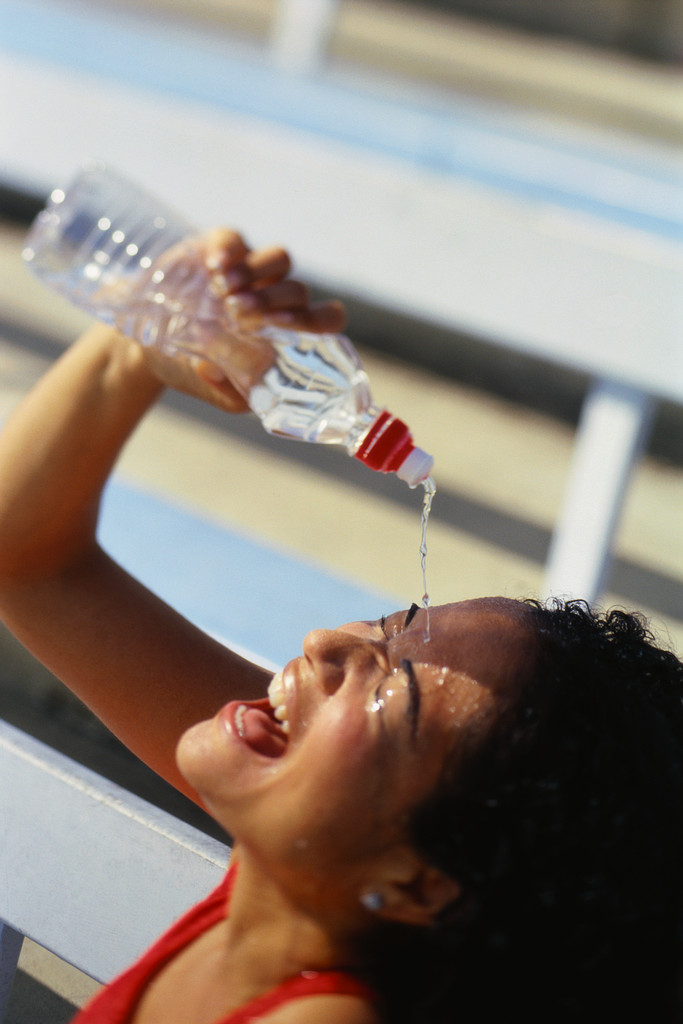
We all know how important it is to remain hydrated during sport and exercise so as to maintain our performance level. Your body needs to replace fluids, sodium, potassium, chloride and other elements lost during exertion. And while it is important to consume liquids there may be a couple of little known facts that you might be interested to add to your knowledge bank.
  • Did you know that emerging data shows that simply washing the mouth with water or sports drink can effectively delay fatigue? So while consuming the necessary fluids is important, rinsing your mouth can be beneficial as well. (article 3)

  • The same article suggests that people who drank fluids from freely flowing sources such as a cup or open mouth bottle consume more than those who drink from a straw? Something to think about next time you use that squeeze bottle, perhaps taking the nozzle out might be more beneficial. (article 3)

  • You may not feel like your sweating as much during cold weather workouts, but you are still losing fluids while exercising in the winter. You may not need the same amount of electrolyte replacement as during the summer, but it is important to keep up fluid levels as cold-weather dehydration can increase the risk of hypothermia. (article 4)

So whether you are a recreational or high performance athlete, and it’s summer or winter it is important to check and maintain a good fluid balance to stay at your best performance level. Checkout these and other hydration-related resources at the SIRC library:

  1. Hydration science-From Hype to Hyponatremia Scan’s Pulse, Summer 2009, 28(3) p.17
  2. Gregory Seale. Water and the Energy Drink. SPED: Sport and Physical Education. May 2009, 6(1) p.8-9.
  3. Kirkendall, Donald. Hydration: It’s Just the First Step. Soccer Journal, September-October 2009, 54(5) p. 20.
  4. Carmichael, Chris. Drinking Problem. Outside. December 2006, 31(12) p. 80.

Sunday, July 6, 2014

“Water, water, everywhere, Nor any drop to drink.”

There is no doubt that water is essential for life considering that 60-70% of our bodies is made up of water. Consuming just the right amount of water is paramount in not only regulating body temperature, but building new cells, eliminating waste and playing its’ part in producing energy.

But can you ever have too much of it? The simple answer is yes, especially if you are working out or competing in endurance type events. Over-drinking especially during exercise can lead to hyponatremia, a condition in which the sodium concentration in the blood drops because there is too much water in the bloodstream and an inadequate excretion of water in urine. Basically, the sodium in the body gets diluted. (Hypo means too small; natremia means sodium status.)

A lot of distance and endurance events, including triathlons, ultra-distance and marathons, are almost always concerned with dehydration of their participants, and therefore have water stations located at various distances throughout the course. Research shows that unless you are sweating profusely, and feeling moderately thirsty, that the athlete should actually bypass some stations and not get caught up in over hydrating as this can lead to hyponatremia. Unfortunately, it is the inexperienced and novice that tend to overdo the fluid intake and are most at risk.

Some of the symptoms of hyponatremia can include:
  • Fatigue
  • Feeling of fullness
  • Unable to urinate
  • Confusion and lethargy
  • Dizziness
  • Muscle weakness, spasms or cramps
  • Seizures
  • Coma and death (in extreme cases)
Hard to believe, but even water can be considered a poisonous substance when over-consumed, just like any substance that can throw the water-sodium balance off-kilter. Finding the water balance for each participant is key and also requires practice.

For more information on hydration for endurance events, please contact SIRC.

Thursday, July 3, 2014

Staying Safe In and On the Water

The Civic long weekend is just around the corner in Canada and that means friends, family and fun! Everyone loves to partake in a variety of events and activities, which may include having fun in the water, especially since swimming and boating are great ways to beat the heat, that’s for sure. Canada is a country that is defined by water, and water requires the ultimate respect. Playing in and around water can appear to be harmless, however, it is imperative to make sure water safety is a top priority for adults and children alike. Being around water and learning to swim is second nature to many Canadians and is part of the Canadian way of life. But as the make-up of Canada continues to evolve and change, there is segment of the population of New Canadians who arrive later in life, and therefore may not be as familiar with the water and the necessity for crucial safety precautions when around it. As published in the Globe and Mail just a few days ago, a study commissioned by the Lifesaving Society found that 31% of New Canadians, especially those who have been living in Canada for less than five years, are at a higher risk of having a water-related accident when swimming or boating. Having said that, the report also reports that Canadian children under the age of five (who are fearless yet lack skill), and adult men between 18 and 49 (higher risk-takers) are at the highest risk of having a water-related mishap.

Knowing how to play safe in and around the water is not only an essential skill to have, it will contribute to safe and positive experiences in our lakes, rivers and pools. A few tips to guarantee water safety for children and adults include:

• Know how to swim
• Buddy up
• Know your limits
• Swim in safe areas only
• Do not dive into unknown areas
• Do not consume alcohol and swim

If boating is on the agenda, along with the tips above, make sure to:

• Know the weather forecast
• Wear a personal floatation device
• Know the rules of the water

For more information on water safety, please visit SIRC.

Saturday, May 31, 2014

Nutrition Strategies for Young Athletes

Young athletes need plenty of energy. They need it to grow, to play and to compete.  When it comes to active children or teenagers, it can be easy to skimp on nutrition - we all lead busy lives and snacks, high sugar drinks and fast food are usually quick grab-and-go items. Whole grains, dairy, lean meats and fresh fruits are what the body needs to be at its best.

Carbohydrates - Good quality carbohydrates such as, whole grain, high fibre breads, breakfast cereals, and snack foods are essential in providing vitamins, minerals and extra fibre for the body. Combining a whole grain, low GI carbohydrate such as grain bread, crackers or cereal with protein from lean meat, nuts dairy or fish will help to regulate your kids' energy levels.

Picking the right snack foods - To some parents, this may seem a little daunting, with so many products out there making various health claims how do you decide what to give your child? Look for options that contain positive nutritional properties, such as protein, fibre and iron.  Good options include yoghurt, cheese and crackers, homemade muffins or snack bars, roasted or plain nuts and flavoured milk.

Hydration - Water should be the drink of choice for all of us, not just our children.  Sports drinks, vitamin water and energy drinks all have a high sugar content and generally are not recommended for children.  Fruit juice is also high in sugar and should not be consumed more than once a day.

Treats - There is nothing wrong with enjoying an occasional treat, whether it's a popsicle on a hot day, a bit of chocolate or even grabbing that fast food meal.  The trouble is that currently, children get all of these treats on a frequent basis.  Set aside some 'treat days' for your family so you can all enjoy a little indulgence plus getting the added benefit of teaching your child how to regulate their food intake.

It's important that a young athlete to eat healthy, doing so helps them increase their stamina, energy and overall health. Careful attention to a young person's nutritional needs is also a great start to establishing a lifetime of healthy eating.

References from the SIRC Collection:

1. Astrup A. Dietary strategies for weight management--the importance of carbohydrates. Australian Journal Of Nutrition & Dietetics. March 2, 2001;58(1):S9-S12.
2. Bar-Or O. Nutritional Considerations for the Child Athlete. Canadian Journal Of Applied Physiology. December 2, 2001;26:S186-S191.
3. Griffin J. NUTRITION FOR THE SERIOUS YOUNG ATHLETE -- THE PRACTICAL APPROACH. Sportex Dynamics. July 2007;(13):7-10.
4. Meyer F, O'Connor H, Shirreffs S. Nutrition for the young athlete. Journal Of Sports Sciences. December 2, 2007;25:73-82.
5. Patel A, Hampton K. Encouraging Consumption of Water in School and Child Care Settings: Access, Challenges, and Strategies for Improvement. American Journal Of Public Health. August 2011;101(8):1370-1379.
6. Rowland T. Fluid Replacement Requirements for Child Athletes. Sports Medicine. April 2011;41(4):279-288.
7. Sports Nutrition for Young Athletes. IDEA Fitness Journal. October 2008;5(9):95.

Monday, May 26, 2014

What exactly are electrolytes?

Electrolytes are electrically charged particles that help the body function normally. The importance of electrolytes in the human body is so great that we quickly react to an electrolyte deficiency. Athletes in particular are susceptible because electrolytes are depleted during perspiration.

Some of the more familiar electrolytes include potassium, calcium, magnesium and sodium. These minerals are responsible for regulating nerve and muscle function, blood pressure, and hydration and fluid distribution in order to keep your body functioning properly and performing at its best.
 
How do you ensure your body has sufficient electrolytes before, during and after a training session or competition?
  • Consume foods that have higher concentrations of the vitamins and minerals your body needs, such as:
    • Potassium - bananas, spinach, white beans, dried apricots and squash
    • Calcium - dairy products such as yogurt and milk
    • Magnesium - green leafy vegetables, lentils, beans, brown rice and oatmeal 
    • Sodium - ramen noodles, olives, pickles or crackers 
  • Drink adequate amounts of water, 8 - 9 glasses per day (more if exercising in humid conditions)
    • Supplement with sports drinks or electrolyte powders - only consume after long bouts of heavy endurance training of 90 minutes or more
    Do I need to worry about sodium replacement?

    It depends on how much you sweat, how hot it is, humidity, and how long and how hard you are
    working out. When you exercise, you lose some sodium from sweat, but you are unlikely to deplete your body's stores. Keep in mind that many health organizations recommend reducing sodium intake because the typical North American diet contains more sodium than the average person requires.

    Assume that the more you exercise, the more fluids and nutrients you are going to have to replace. Every person is different, with varying levels of fitness and physical activity. Most regular exercisers and athletes use nutrition guidelines to start out and from there, experiment to find out what works best for them.  

    References from the SIRC Collection:

    1. Clark N. Electrolytes: What Are They?. American Fitness. September 2010;28(5):66-67.
    Golden A, Tierney N. HYDRATION and EXERCISE go Hand in Hand. Volleyball. October 2011;22(8):22-23.
    2. Heaner M. To Salt or Not to Salt?: An update on sodium and how it affects health and exercise. IDEA Fitness Journal. March 2011;8(3):59-61.
    3. Hess J. Dehydration: Balancing Water and Electrolytes. Hughston Health Alert. Summer2007 2007;19(3):4.
    4. Houtkooper L. New guidelines on fluids. Swimming World & Junior Swimmer. October 1996;37(10):10.
    5. Nugent L. Sports Drinks. Modern Athlete & Coach. October 2012;50(4):17-18.
    6. Schnuer J. Electrolytes 101. Shape. September 2005;25(1):196.
    YOU DON'T NEED TO DRINK AS MUCH DURING WINTER WORKOUTS. Shape. January 2010;29(5):75.

    Wednesday, May 21, 2014

    Thirst for success

    There is little doubt that proper hydration has many benefits for physiological function, performance and health.  Good hydration practices follow the general premise that an individual will attempt to match fluid intake with fluid losses. We know that when sweat loss exceeds fluid intake we become dehydrated, although it's a common practice to drink fluids despite a lack of thirst. When athletes are encouraged to consume more liquids than they actually need it can lead to exercise associated hyponatremia, which means a low concentration of sodium in the blood.
     
    Severe or life-threatening hyponatremia can occur during exercise and is largely associated with endurance activities such as: marathons, triathlons, and ultradistance races.

    Symptoms of hyponatremia are:
    • impaired exercise performance
    • headache, nausea and vomiting
    • seizure (convulsions)
    • bloated stomach or swelling of hands, legs and feet
    • severe fatigue
    • confusion and disorientation
    Who is at risk?
    • athletes who drink too much before and during prolonged exercise in warm, humid climates
    • athletes who sweat a lot or excrete a salty sweat
    • those who are overzealous in their drinking habits 
    Prevention -  There are many ways to prevent hyponatremia: moderate water intake based on thirst, replace fluids on a schedule, measure and record before and after practice weights, and/or note changes in urine colour.
      Although the instances of fatal hyponatremia are rare, evidence suggests that non-fatal hyponatremia is common. It's important that coaches and athletes are aware of the risk factors so they can actively work toward its prevention.

      References from the SIRC Collection: 

      1. Beltrami F, Hew-Butler T, Noakes T. Drinking policies and exercise-associated hyponatraemia: is anyone still promoting overdrinking?. British Journal Of Sports Medicine. October 2008;42(10):496-501.
      2. Burfoot A. Drink to your health: sure, you should drink regularly. But exactly how much water do you need? And why are some runners dying from excessive fluid consumption. Runner's World. July 2003;38(7):52-54;56;58-59.
      3. Manasso J. Too much water can be bad, too. ASCA Newsletter. August 2005;2005(8):6.
      4. Murray B, Stofan J, Eichner E. Hyponatremia in athletes: "water intoxication" and subsequent death has become a "hot" topic. How dangerous is it?. Marathon & Beyond. January 2004;8(1):77-82;84-86;92.
      5. Nolte H, Noakes T, van Vuuren B. Protection of total body water content and absence of hyperthermia despite 2% body mass loss ('voluntary dehydration') in soldiers drinking ad libitum during prolonged exercise in cool environmental conditions. British Journal Of Sports Medicine. November 2011;45(14):1106-1112.
      6. Redmon G. Hyponatremia: Water Intoxication. American Fitness. November 2005;23(6):58-61.
      7. Shirreffs S, Maughan R. Urine osmolality and conductivity as indices of hydration status in athletes in the heat. / Osmolalite et conductibilite de l ' urine en tant qu ' indices de l ' etat d ' hydratation des athletes sous la chaleur. Medicine & Science In Sports & Exercise. November 1998;30(11):1598-1602.

      Thursday, May 15, 2014

      Helping Kids Beat the Heat!

      Winter has ended and the long awaited days of summer have begun. Children are moving their competitions and practices from indoor facilities to the outdoors leaving behind recycled air for fresh air. However, with summer starting and more outdoor activities on the schedule, it is a good idea to make sure your children are well hydrated as they participate in physical activity in hotter weather.

      It is important while participating in any physical activity in the heat to be well hydrated for the activity. Drinking water before and during each break in the activity will minimize your chances of dehydration. Children should be consuming liquids before they are thirsty as opposed to after because when thirst hits, they are already dehydrated.

      Here are a few pointers you might want to consider before letting your children exercise in the heat.  
      • Check the weather and consider doing the activity early in the morning or late in the evening when it is cooler. 
      • Carry a water bottle or consider bringing fruits such as watermelon and berries.
      • Dress them in lightweight material such as dry fit, light colors and include a hat. 
      • Know your children’s limits in the heat and acclimatize them gradually. 
      • Be aware of dehydration symptoms
      Exposure to extreme heat can lead to dehydration causing heat exhaustion, heat cramps and in the worst cases, heat stroke and even death. Dehydration occurs when more fluids, i.e. sweat or urine, leave the body than are replaced. Sweating is important, as it is the mechanism which allows your body to cool off. Urine colour can help to determine how well you are hydrated. Clear or light coloured urine is an indication you are well hydrated and a dark yellow or amber colour is usually a sign of dehydration.

      Children are more likely to forget to hydrate during hot summer days. It is critical that parents, coaches or whoever is supervising the physical activities ensure that they keep hydrated. Being outside in the sun is a great way for children to stay fit, learn new skills, make new friends and have fun.

      References from the SIRC Collection:

      1. Bergeron M. Youth Sports: Keeping Kids Safe in the Heat. ACSM Fit Society Page. April 2013;15(1):3-4. 
      2. Cleary M, Hetzler R, Wasson D, Wages J, Stickley C, Kimura I. Hydration Behaviors Before and After an Educational and Prescribed Hydration Intervention in Adolescent Athletes. Journal Of Athletic Training. May 2012;47(3):273-281. 
      3. Johnston Molloy C, Gandy J, Cunningham C, Glennon Slattery C. An exploration of factors that influence the regular consumption of water by Irish primary school children. Journal Of Human Nutrition & Dietetics. October 2008;21(5):512-515. 
      4. Nugent L. Sports Drinks. Modern Athlete & Coach. October 2012;50(4):17-18. 
      5. Rowland T. Fluid Replacement Requirements for Child Athletes. Sports Medicine. April 2011;41(4):279-288. 
      6. von Duvillard S, Arciero P, Tietjen-Smith T, Alford K. Sports Drinks, Exercise Training, and Competition. Current Sports Medicine Reports (American College Of Sports Medicine). July 2008;7(4):202-208. 
      7. Williams C, Blackwell J. Hydration Status, Fluid Intake, and Electrolyte Losses in Youth Soccer Players. International Journal Of Sports Physiology & Performance. December 2012;7(4):367-374.
      8. Yeargin S, Casa D, Sparrow S, et al. HEAT ACCLIMATIZATION AND HYDRATION STATUS OF AMERICAN FOOTBALL PLAYERS DURING INITIAL SUMMER WORKOUTS. Journal Of Strength & Conditioning Research (Allen Press Publishing Services Inc.). August 2006;20(3):463-470.

      Monday, April 21, 2014

      Nutrition on the Road

      Nutrition is a key part of any athlete's training strategy, but it can be difficult to keep it up when travelling for competition. Usain Bolt recently revealed that his hesitation towards the food in Beijing during the Olympics lead to an interesting diet choice. The sprinter claims that during the competition he ate almost 1,000 chicken nuggets. While he would go on to have great success at the games this diet is not recommended for most athletes.

      For many athletes, the food available in other countries may not be what their body is used to, which can lead to gastrointestinal issues. If the proper steps are taken an athlete can avoid any major complications and maintain proper nutrition.

      Plan Ahead - The simplest way to stick to a nutrition plan is to continue to make your own food. Before leaving for a competition try and book a hotel room that has a kitchen, this way you can prepare the majority of your meals. If it is not possible to find accommodations with a kitchen, then you may need to eat out. Before choosing a restaurant, perform some research to make sure they have the type of meals you are looking for. It is also important to call and make a reservation, this is a good way to ensure you will have your meals as close to your normal routine as possible.

      Water Supply - When travelling it is important to remember that not all places have tap water that is safe to drink; if the water quality is at all questionable, follow these rules:
      • Only drink bottled water 
      • Do not eat vegetable or fruits that have been rinsed under tap water. It is best to stick to fruits/veggies that can be peeled. 
      • Use bottled water when brushing your teeth 
      • Make sure you do not put ice in your drinks

      Snacks - Despite all good planning, an athlete may still find that they get stuck without the time or the appropriate place to get the fuel they need before a competition. This is why it is important to always carry high energy snacks. These snacks could include sport/fruit bars, powdered meal replacements, canned tuna, or peanut butter.

      Enjoy the local cuisine (after you compete) - Some people have no problem trying new food, in fact they love it. However, when an athlete is travelling to compete, it may be better to save those interesting local dishes for after the competition. When it comes to performance, it is better to be safe than sorry.

      Travelling is one of the major benefits of elite competition but athletes need to be careful when it comes to their nutrition. Even travelling short distances can have a major effect on what is available. Having a nutrition plan for traveling will to ensure an athlete gets the nutrients they need to perform at their best.

      References from the SIRC Collection: 

      1. Kelly, S. (2010). Athlete Travel Overseas: CONSIDERATION FOR PERFORMANCE. Modern Athlete & Coach, 48(1), 15-16 
      2. Currell, K., Lundy, B., Pearce, J., & Lewis, N. (2010). Commonwealth Games Nutrition. Sport & Exercise Scientist, (25), 10-11. 
      3. Wagner, D. R. (2009). Eating on the Road: Practical Nutrition Strategies for the Traveling Athlete. Athletic Therapy Today, 14(5), 1-4. 
      4. Reilly, T., Waterhouse, J., Burke, L. M., & Alonso, J. (2007). Nutrition for travel. Journal Of Sports Sciences, 25125-134. 
      5. Yrjovuori, M. (2009). Taking it on the Road. Volleyball, 20(10), 21-22. 
      6. Cort, M. (2007). Travel Nutrition Strategies. Modern Athlete & Coach, 45(2), 15-16. 
      7. Korzun, A. (2008). Travel nutrition…more than just a “Plan B”. Olympic Coach, 20(3), 19.