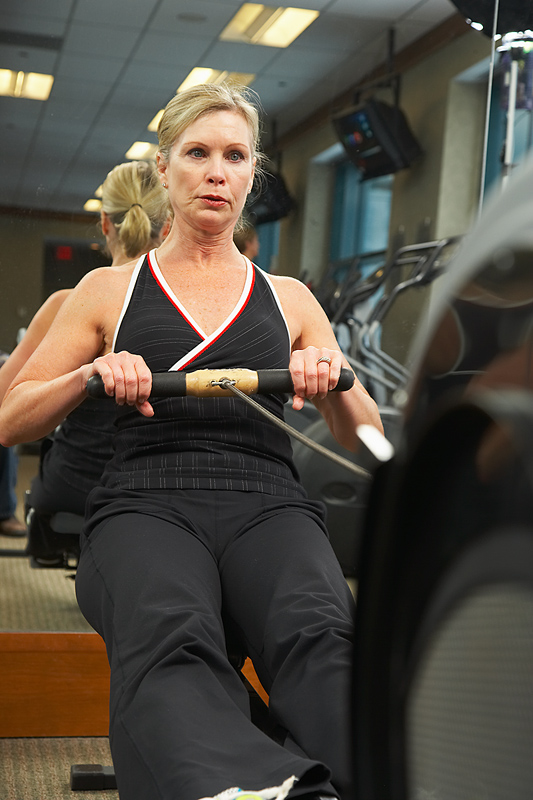
A Master Athlete is anyone over the age of 35 and competitive. As baby boomers age the number of athletes competing later in life will be on the rise. Age group events become the new challenge as there is the chance every few years to be at the top of your game and still blow away most of the competition like running a sub-3hr marathon at age 70. Master Athletes are awe-inspiring but have different needs that should be recognized. If you are not ready to hang in your competitive hat check out how to tweak your program to stay at the top of your game well into the golden years!
Showing posts with label senior. Show all posts
Monday, July 28, 2014
Thursday, July 3, 2014
A New Name for Senior Games
The Ontario Senior Games Program has a new name effective immediately. Going forward, they will be referred to as the Ontario 55+ Summer Games and the Ontario 55+ Winter Games, keeping it consistent with the Canada 55+ Games (national Senior Games) and six other provinces and territories. The Ontario 55+ Games and other provincial events, are the qualifiers for the Canada 55+ Games held every two years in cities across the country. With the provincial programs staged annually in different provinces and territories, the Canada 55+ Games is a nation-wide program which serves to promote wellbeing – physical, mental and spiritual -- among Canadians age 55 and older.
In Ontario, these organized celebrations of active living, began in 1986. So far, the Ontario 55+ Games Program has been hosted by 14+ communities throughout the province. The summer edition, held in August of even-numbered years, hosts over 1,200 participants in approximately 18 events, while the Ontario 55+Winter Games held in February of odd-numbered years, has close to 900 entrants. The Ontario 55+ Games is a program of the Ministry of Health Promotion and Sport and is delivered by the Sport Alliance of Ontario in cooperation with the Ontario Senior Games Association. Brampton, Ontario will host the 2012 Ontario 55+ Summer Games, while the town of Huntsville has been chosen to organize the 2013 Ontario 55+ Winter Games.
For more information on Senior Games, please visit SIRC.
Friday, June 20, 2014
Forever Young
As we all get older, age starts to take a toll on our bodies. For most of us this is a pessimistic outlook that we do not want, therefore we need to take action. Quality of life is just as important as quantity, training is necessary for health and longevity. Exercise suggestions:
- When going to the gym, a workout should not be focused on a specific area of the body. Most people that work out solely their arms or legs are not trying to improve the muscle’s function but rather how they look. It is okay to train for aesthetics, however as we age our bodies naturally lose strength and size (sarcopenia). Therefore it is important to keep the whole body in mind, functioning as a well oiled machine.
- The most important thing to remember is not to train the muscle but rather to train the movement. Some ideal exercises include squats, over head presses and dead lifts. These may sound like hardcore power lifts, however it is not about how much weight is used but rather applying the proper technique.
- The average human spends 9 hours sitting a day. Overtime, this will take a toll on an individual’s posture. In order to help with hyperkyphosisor a rounded upper back, rowing type movements will strengthen the core. Having poor posture can also make you appear much older.
- As we age, along with poor posture, our muscles and joints tend to stiffen, reducing flexibility. The condition associated with muscle becoming worn is called osteoarthritis. This can affect our balance and ability to move smoothly. Contrary to popular belief, strength training and weight bearing exercise decreases, not increases, joint pain. Studies show that people suffering from arthritishave reduced knee pains after performing squats regularly.

Before walking through those gym doors it is important to set a workout plan that considers your medical needs. Personal trainers may come at a cost but they are highly qualified and can be very beneficial.
Source from the SIRC Collection:
Dale, P. (2011) Anti-Aging Strategies. Ultra- fit. 21(6), 112- 113.
Labels:
adult,
age,
aging,
arthritis,
exercise,
fitness,
health,
hyperkyphosis,
longevity,
older adult,
osteoarthritis,
physical activity,
physical fitness,
sarcopenia,
senior,
senior citizen,
seniors,
workout
Saturday, May 3, 2014
Celebrate in Active Aging Week! Sept 23 - Sept 28
It's active aging week in Canada and this year's theme is "Discover your Community." Active aging events are planned locally which allows organizers in each community the ability to decide what they would like to do. Events are free for participants and are intended to be fun and educational, with a no-pressure atmosphere.
The idea is based around what successful aging is - it's about engaging in a more active, more varied lifestyle regardless of your age or circumstances. There are many opportunities for everyone to get involved including senior centres, retirement communities, fitness instructors and physical or occupational therapists. Activities don't need to cost a lot of money, all you really need is some initiative, inspiration and creativity.
Of course, planning any activity involves knowing the various capabilities of the participants. Below are some ideas for planning your event:
Low impact activities:
The bottom line is - do something fun! Use this week as a opportunity to re-commit to a old hobby or try a new one. Staying physically and mentally active leads to better overall health, improves mood and brain health, and can help you connect with friends, family and community.
References from the SIRC Collection:
1. Chodzko-Zajko W, Schwingel A. Transnational Strategies for the Promotion of Physical Activity and Active Aging: The World Health Organization Model of Consensus Building in International Public Health. Quest. February 2009;61(1):25-38. Fun activities from Active Aging Week. Functional U. July 2009;7(4):10-15.
2. Kruger J. Guidelines for physical activity: pointers for active-aging professionals. Journal On Active Aging. January 2010;9(1):34-39.
3. Park C, Chodzko-Zajko W, Rolfe C, et al. A New AGE of physical activity: creating outdoor spaces that promote active aging. Journal On Active Aging. September 2005;4(5):22-24;26;28.
4. PROGRAMS REACH OUT TO OLDER ADULTS. Fitness Management. February 2005;21(2):16.
The idea is based around what successful aging is - it's about engaging in a more active, more varied lifestyle regardless of your age or circumstances. There are many opportunities for everyone to get involved including senior centres, retirement communities, fitness instructors and physical or occupational therapists. Activities don't need to cost a lot of money, all you really need is some initiative, inspiration and creativity.
Of course, planning any activity involves knowing the various capabilities of the participants. Below are some ideas for planning your event:
Low impact activities:
- Create a scavenger hunt - The focus of the scavenger hunt doesn't have to be the traditional "whomever finishes first wins", instead have the focus be on exploration and enjoying the little things.
- Plan a walk around the community. Have it mapped out and encourage people to partner up - walking is always more fun with a buddy.
- Organize an exercise class that focuses on building balance, strength and mobility. There are plenty of videos on YouTube that can be helpful for coming up with exercises that can be easily adapted to suit all abilities.
- Get some people together to try different sport such as: swimming, kayaking, pickleball, golf, cycling, cross country skiing or snowshoeing.
- Don't be afraid to include activities that help you learn a new skill: join creative writing class, a cooking class, try gardening or get a group together and go fishing.
- Dance classes can vary from low to high levels of activity. Ballroom dancing, Zumba, or Swing are just a few suggestions.
- Plyometric exercises - also known as jump training are intended to mimic the movements needed for specific sports such as skiing, tennis, and basketball. They are specifically designed to increase explosiveness and power. These can be done in a group or individually and should be done slowly at first with the intensity increased gradually.
- Circuit weight training, Kettlebells, power lifting or Cross fit techniques encourage a full body work out that employs a full range of motion. Try not to shrug these off as a young person's activity - training with weights is the best way to maintain muscle mass in your later years. If you are unsure about trying it out as a newbie, a good personal trainer can make a huge difference.
- Tennis is a great activity that will work your whole body and provides opportunities for socializing after a game.
- Hiking intensity can vary depending on the difficulty of the trail. It's a great activity for getting a group together and enjoying the scenery, especially at this time of year.
The bottom line is - do something fun! Use this week as a opportunity to re-commit to a old hobby or try a new one. Staying physically and mentally active leads to better overall health, improves mood and brain health, and can help you connect with friends, family and community. References from the SIRC Collection:
1. Chodzko-Zajko W, Schwingel A. Transnational Strategies for the Promotion of Physical Activity and Active Aging: The World Health Organization Model of Consensus Building in International Public Health. Quest. February 2009;61(1):25-38. Fun activities from Active Aging Week. Functional U. July 2009;7(4):10-15.
2. Kruger J. Guidelines for physical activity: pointers for active-aging professionals. Journal On Active Aging. January 2010;9(1):34-39.
3. Park C, Chodzko-Zajko W, Rolfe C, et al. A New AGE of physical activity: creating outdoor spaces that promote active aging. Journal On Active Aging. September 2005;4(5):22-24;26;28.
4. PROGRAMS REACH OUT TO OLDER ADULTS. Fitness Management. February 2005;21(2):16.
Subscribe to:
Posts (Atom)