Showing posts with label strength training. Show all posts

Friday, August 8, 2014

Swing into Spring!

Last week’s blog discussed overtraining in spring, but how about those people that don’t train at all and just go out there and start swinging a golf club at the first sign of spring. This is when injury can occur. Although sports like golf are considered low impact, golf injuries are increasing at an alarming rate. A golfers shoulder, forearm and back are the most common injury areas. So what should a golfer do before he goes out swinging?

A stretching program is definitely recommended which should be initiated in the pre-season and then continued as a pregame warm up. Golf-specific stretching exercises should address those areas that are necessary for proper mechanics and subsequently the most injured, such as the shoulders, forearm, and back. Strengthening the forearm will also prevent “golfer’s elbow”. The American Academy of Orthopedic Surgeons recommends simple exercises such as wrist curls and squeezing a tennis ball to prevent elbow injuries.

Another recommendation is Resistance Training. Building up the muscles that have been left dormant during those winter months will do wonders to prevent spring injuries that could keep you off the course all summer.

And what about aerobic endurance? The average golfer walks 3 miles during the course of an 18 hole game which is certainly nothing to sniffle at! So how does a golfer prepare aerobically. Try a one mile walk and then build slowly over the pre season months to ensure that you don’t over do it. Look at walking programs such as PARC’s Walk This Way which is specifically designed for adults wanting to start a walking program. Remember aerobic endurance in the form of walking or cycling also has been shown to reduce the recurrence of low back pain after injury.

Remember, before starting any form of exercise or training program check with your doctor first and may all your balls be birdies!!

Reference:
BRANDON, B. and P.Z. PFARCF. Training to prevent golf injury. Curr. Sports Med. Rep., Vol. 8, No. 3, pp. 142-146, 2009

Tuesday, July 29, 2014

Dry Land Training for Ice Speed

Although hockey season in not quite here yet, dry land training season is. Many young players are taking part in strength and speed training clinics in order that they may perform better on the ice come September. You will see them outside on the fields using agility ladders, step hurdles and even speed chutes to improve their performance on the ice. Experts suggest that dry land training for hockey players should start when the player hits the 12 to 14 year age group. This is when they can benefit the most from a fitness regime both on and off the ice. It will not only improve their ice speed but also help them to develop a harder shot.

Anaerobic endurance is one of the benefits of dry land training. This can be done by including running, jogging, cycling or skipping in your workout. But one of the most effective benefits of dry land training would be for power, strength and speed. These would be exercises that focus on the legs and core, such as sprints, squats, lunges and any abdominal exercises such as sit ups. To increase an athlete’s power resistance training is also important, as well as exercises such as the jump squat.

SIRC has lots of resources on dry land training as well as drills specifically suited for hockey. So before you strap on those skates for the hockey season, strap on those cross trainers and get outside and run, sprint, squat, lunge and jump and before you know it you will be the fastest player on the ice.
  • Jumping into plyometrics: 100 exercises for power & strength. Chu, Donald A. Human Kinetics, 1998.
  • THE SECRETS TO EUROPEAN DRY-LAND WORK. DIXON, RYAN, Hockey News 2009 Special Issue, p7
  • Training for high-performance collegiate ice hockey. / Entrainement pour la haute performance en hockey sur glace universitaire. Hedrick, A., Strength & Conditioning Journal Apr 2002: Vol. 24 Issue 2. p. 42-52
  • Ice hockey/roller hockey: in-season resistance training. Penn State Sports Medicine Newsletter Dec 1998: Vol. 7 Issue 4. p. 2
  • Intensive Hockey Camps establish new training benchmark. Hockey News 2/7/2006, Vol. 59 Issue 20, pHS41

Sunday, July 27, 2014

Strength Training Injuries on the Rise?

From 1990-2007 the number of injuries related to strength training has nearly doubled. In a study that was published in the American Journal of Sports Medicine earlier this year, the number of injuries have increased overall however there are a few findings that stood out.

Males
  • Males represented the most injuries with 82.3%
  • Average age was 27.6 years
  • Most injuries were a result of using free weights
  • Common diagnosis was sprain/strain
  • Result of injuries were due to free weights being dropped

Females

  • Females represented 18.2% of the injuries
  • Represented the largest amount of foot injuries

Youth

  • Those 12 years and younger represented the largest amount of hand injuries
    55 years- plus
  • Represented the largest amount of injuries involving machines

What has been the impact of this research?
Fitness and personal training publications have been running the statistics in order to raise awareness of creating safe strength training program for individuals. If you would like to read the complete study it is available in the SIRC Collection. Contact askalibrarian@sirc.ca .

Wednesday, July 9, 2014

Spring Training

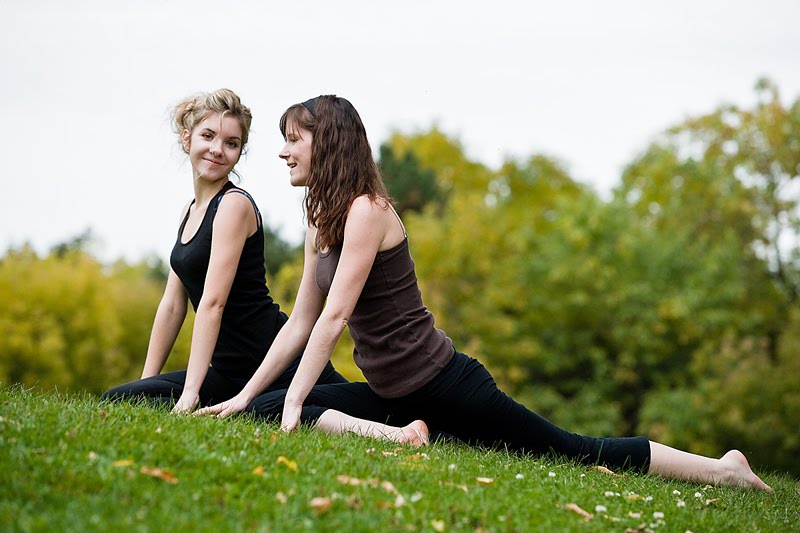
Spring is always that time of year of hope and excitement, and all the joys of summer sport come flooding back. As we look forward to the days of trail or road running, golf, tennis, biking, and team sports like soccer, football, baseball and lacrosse, we need to be careful and remember that getting back into these activities will start working those muscles that may have become dormant with our winter training routines. Preparing our muscles for these movements will help us slide right back into our summer sports safely while increasing enjoyment. Here are two concepts to think about when creating your spring training schedule: Strength training and Yoga for sport.

Strength Training:
  • While being accepted as a part of a well-planned workout schedule, it is important that we plan for training that is transferable to our sports. Traditional weightlifting develops stronger muscle, however plan to exercise your stabilizing muscles that help in joint movement, balance, and provide the body with needed leverage.
  • You want to train movement, not just your muscles. Sport creates a need for the body to use force coming from several different muscles and joints. You want to plan exercises that use multi-joint movements that feed to your sport demands.
  • Multi-directional movement will help the body to build the stability for sport that creates force in varied angles and motions. When we think about trail running, as in any sport, we realize that not all motion is equal. Developing strength in a range of motion will help to compensate for the unknowns that are thrown at us in sport.
Yoga for Sport:
  • What we first think of when it comes to yoga is developing flexibility. However, after a few studies, flexibility is not the only benefit. Other benefits include increased stride length, decrease in muscle discomfort, improved unconscious perception of movement and spatial orientation, stronger core, and mental benefits. Adding yoga to spring training will help decrease your chance of injury as we move winter sport into summer sport.

Reference from the SIRC collection:
Twist, Peter. (2008). Training Transition for Spring Sports and Recreation. Fitness Informer, Spring/Summer 2008, 18-19.

Saturday, June 14, 2014

Strength Training

SIRC Newsletter now available online: Strength Training

Most people think strength training is just for professional athletes or body builders but we all need to understand what strength training is and the role it can have in improving our body and overall health . If you establish training guidelines and follow proper nutritional recommendations, adding regular resistance training in your daily schedule will have a considerable influence at any stage of development.

Read More:  http://www.sirc.ca/newsletters/june12/index.html

Friday, June 6, 2014

Don't let age slow you down!

Many of you may not know that the International Council on Active Aging celebrates Active Aging Week, from September 23-29.  A lot people participate in this annual event, with this year's theme being many journeys, many destinations.  To celebrate this week, we are giving some tips for
healthy, active living, so you don't have to let age slow you down!

1. Determine your participation style - Do you prefer being with a running group/fitness class or do you like to fly solo?  Do you like indoor or outdoor fitness?  How much time can you dedicate to your fitness routine?

2. Warm-up - Before any exercise, your body needs time to adjust to the upcoming workout.  Be sure to take your time, rushing through your warm-up routine can increase your chance of an injury.

3.  Strength training - Don't be alarmed, you don't need to be a body builder to lift weights.  Starting with small weights and gradually working your way up will do wonders for an aging body.  Many studies have shown that strength training aids in maintaining muscular mass, benefits your joints and increases your metabolism. 

4. Take a Yoga, Pilates, or stretching class - These low impact classes are gaining in popularity with our aging population.  They are also a form of strength training and as an added benefit, help your balance which can reduce falls.  One class a week is good, but if you can add a daily stretching routine on top of it, you'll be doing your body a favour.

5. Eat a balanced diet - We hear this all the time, but it gets even more important as we age.  Try to get as many leafy greens, vegetables, nuts and fish as you can.  All are excellent sources of vitamins and minerals and will give you the energy you need to stay active.

6. Take your vitamins - If you can get enough vitamins through food, vitamin B12, vitamin C, vitamin E, vitamin D and omega 3's can all be taken as a supplement and are great additions to a balanced diet.

7. Get some sleep - Yes, exercise is important, but it's also essential to let your body recover.  Take a 15 - 20  minute nap each day; put your feet up, turn off the phone and let your body relax for a bit.

8. Regular medical care - Seeing your doctor for regularly scheduled visits is important for everyone.  Even if you are an athlete, we are all prone to the everyday problems of aging.

Exercise is beneficial to everyone, including those with chronic pain or special mobility needs. Even moderate activity can improve your quality of life so get out there, get moving and above all, have some fun!

References from the SIRC Collection:

1. Dudney G. Run for your life! Aging is not the enemy of the runner as long as the running can be kept fresh. Marathon & Beyond. November 2004;8(6):64-68;70-72.
2. Holviala J, Kraemer W, Häkkinen K, et al. Effects of strength, endurance and combined training on muscle strength, walking speed and dynamic balance in aging men. European Journal Of Applied Physiology. April 2012;112(4):1335-1347.
3. Kruger J. Guidelines for physical activity: pointers for active-aging professionals. Journal On Active Aging. January 2010;9(1):34-39.
4. Phillips W, Alvar B. Developing strength in older adults: how much training is 'enough'?. Journal On Active Aging. March 2004;3(2):34-37.
5. Scott D. Beat the aging curve: 25 tips for healthy aging. Triathlete. April 2007;(276):188;190-191.
6. Strength training can relieve knee osteoarthritis. Research Review (International Council On Active Aging). January 28, 2009;9(4):4.

Does exercise help osteoarthritis?

Osteoarthritis or "common arthritis" is the gradual wearing down of the joint's hyaline cartilage. Our joint's have a shiny, smooth surface at the end of each bone which allows friction and free motion. When this area becomes damaged, thinned or worn away it is known as osteoarthritis. The rubbing of the damaged area is painful and the repetition leads to inflammation, swelling and more pain.

Three kinds of exercises you can do if you have osteoarthritis:
Exercise is considered the most effective non-drug treatment for reducing pain and improving movement for people with osteoarthritis.  Keep in mind that exercise should be balanced with rest and joint care. If your joints hurt or you have redness or swelling, rest your joints and then try again.  Other treatments include physiotherapy, podiatry, anti-inflammatories and supplements such as Glucosamine and Chondroitin.  These supplements are not heavily researched, however they are still widely prescribed to help people with osteoarthritis.

You may not be able to perform like you did when your were in your twenties, but the smart person who continues to exercise is one who adapts their training and works with their body, not against it.  As always, before starting any training regimen, speak to your doctor first and then decide which exercises may be best for you.  Many people have made changes to their lifestyle after being diagnosed with osteoarthritis and continue to enjoy daily exercise.

References from the SIRC Collection: 

1. Better adherence to exercise means better relief from osteoarthritis pain. Research Review (International Council On Active Aging). July 28, 2010;10(27):2-3.
2. Christensen K. Ease the Pain of Arthritis With Exercise. American Fitness. July 2009;27(4):12-13. 
Exercises in Warm Water Can Help Relieve Osteoarthritis Pain. PT: Magazine Of Physical Therapy. January 2008;16(1):66-68.
3. Focht B. How Knee Osteoarthritis Patients Can Use Exercise to Enhance Quality of Life. ACSM's Health & Fitness Journal. September 2012;16(5):24-28.
4. Page P. Knee osteoarthritis: strength training for pain relief and functional improvement. Functional U. September 2003;1(6):1-6.
5. People with osteoarthritis feel better with exercise and the right shoes. Research Review (International Council On Active Aging). March 24, 2010;10(12):2-3.

Monday, June 2, 2014

Does protein aid recovery?

In recent years, post-exercise nutrition has evolved into an important part of an athlete's training regimen. Athletes of all ages, abilities and skill levels are commonly adopting some sort of post-exercise nutrition to improve performance and enhance the recovery process.  Endurance athletes know that carbohydrates are essential for recovery, but what they may not know is that combining it with protein may have some additional benefits.

While protein and carbohydrates have their own distinct functions, together they work to create an anabolic state within the body that can help athletes recover faster.

Recent studies have shown that:
  • Ingestion of small amounts of dietary protein 5 or 6 times daily might support muscle protein synthesis throughout the day.
  • Consuming post-exercise carbohydrate and protein within 30 minutes of exercise has been shown to increase the insulin response in the body resulting in more stored glycogen.
  • Recovery significantly improved four hours after intense exercise when an athlete consumed a protein and carbohydrate drink.
  • A 3:1 or 4:1 ratio of carbohydrate and protein is optimal (three-four grams of carbohydrate for every one gram of protein).
  • Protein and carbohydrate consumption may be of particular benefit to athletes who are involved in multiple training or competition sessions.
Athletes should be able to get the required amount of protein for their needs by talking to a registered dietitian and altering their diets to match their training. Some good examples of protein to add to your diet are: milk, cheese, eggs, meat, fish, assorted beans, peas lentils and grains. 

Achieving a balance between training, competition stresses and recovery is very important for the success of any athlete. Post-exercise nutrition is an essential part of any training program and consuming the proper nutrients after extensive training kick starts the restoration of muscle glycogen and initiates the recovery process.

References from the SIRC Collection: 

1. Beelen M, Burke L, Gibaia M, Van Loon L. Nutritional Strategies to Promote Postexercise Recovery. International Journal Of Sport Nutrition & Exercise Metabolism. December 2010;20(6):515-532.
2. Cepero M, Padial R, Rojas F, Geerlings A, De la Cruz J, Boza J. INFLUENCE OF INGESTING CASEIN PROTEIN AND WHEY PROTEIN CARBOHYDRATE BEVERAGES ON RECOVERY AND PERFORMANCE OF AN ENDURANCE CYCLING TEST. Journal Of Human Sport & Exercise. July 2010;5(2):158-175.
3. Coyle C, Donne B, Mahony N. Effects of Carbohydrate-Protein Ingestion Post-Resistance Training in Male Rugby Players. International Journal Of Exercise Science. January 2012;5(1):39-49. 
4. PROTEIN MISCONCEPTIONS: Details on misconceptions regarding protein supplementation-and where they come from. Journal Of Pure Power. January 2009;4(1):48-52.
5. Res P, Groen B, Van Loon L, et al. Protein Ingestion before Sleep Improves Postexercise Overnight Recovery. Medicine & Science In Sports & Exercise. August 2012;44(8):1560-1569.
6. Williams M. Protein Supplementation and Endurance Exercise. Marathon & Beyond. November 2012;16(6):172-173.

Sunday, June 1, 2014

Cross Training for the Winter Season

Cross training, whether it's done as whole other sport or alternate activity can be a fantastic mental and physical break from your regular training. Splitting up your daily routine with weight-lifting, spinning or swimming for example, gives you a whole new set of skills to focus on and inserts you into a fresh atmosphere with a different group of people.

A big benefit of cross training is that it tends to work muscle groups that get underutilized if you only stick to one sport. Strengthening these muscles can improve your training in other areas like balance and form.  As a new approach to an athlete’s workout routine, cross-training can also increase power, add flexibility, build stability, and increase motivation.

Look at cross training as a way to explore other areas of exercise and fitness. You'll get the opportunity to meet new people, learn a new discipline and train your body at the same time. Some winter friendly ideas are:
  • Indoor rock climbing
  • Spinning
  • Swimming (or deep water runs)
  • Dance classes
  • Yoga or Pilates
  • Resistance training
  • Dodgeball
  • Martial arts class
  • Any winter sport - cross country skiing, hockey, curling or skating clubs are numerous and easy to join
Once you step away from your chosen sport for a while you'll be able to return to it with a different perspective. You may find that you are more enthusiastic and have a greater appreciation for your training. Keep in mind that cross training doesn't need to be just a winter event, incorporating some alternate exercises will help to prevent burn out and overuse injuries as well. 

References from the SIRC Collection:  

1. Arseneau L. Using cycling for cross training. Coaches Plan/Plan Du Coach. 2010 2009;16(4):14.
2. Deep Water Running for Injured Runners. Athletic Therapy Today. March 2007;12(2):8-10.
3. Rosania J. CROSS TRAINING. Swimming World. July 2007;48(7):30-31.
4. JOUBERT D, ODEN G, ESTES B. The Effects of Elliptical Cross Training on VO2max in Recently Trained Runners. International Journal Of Exercise Science. January 2011;4(1):243-251.
5. Krause P. The Benefits of Cross-Training. AMAA Journal. Spring2009 2009;22(2):9-16.
6. Poynton E. Stress Fractures. Modern Athlete & Coach. January 2011;49(1):16-17.
7. VANDEN BROOK J. AVOID INJURY AND BURNOUT A STARTLING NEW CROSS-TRAINING REGIMEN FOR CROSS COUNTRY SKIERS. Cross Country Skier. January 2012;31(3):78-77. 
8. Vleck V, Alves F. Cross-training and injury risk in British Olympic distance triathletes. British Journal Of Sports Medicine. April 2011;45(4):382.

Saturday, May 31, 2014

Top 5 Fitness Trends for 2013

With a new year just beginning and all the holiday celebrations coming to an end, many of us are probably looking forward to getting back to or starting a new fitness routine.  The American College of Sports Medicine (ACSM) and Goodlife Fitness each survey fitness professionals to gauge what they feel will be the top fitness trends of the new year.

Looking over both reports, we've found where they coincide and have created a top 5 list for you.  

1. Educated and experienced fitness professionals - this is fast growing industry where clients are expecting more bang for their buckMany fitness professionals are now required to have a bachelor's degree in a wellness/exercise related field, have multiple certifications, and a wealth of experience through credible organizations. 

2. Small group training - with a lot of people trying to stretch their budget, many are opting for a group personal training experience.  Depending on the club or gym you belong to, many offer discounts to those wishing to experience exercising in a group setting. 

3. Body weight training - this is the big surprise of this year's listBody weight training is not a new concept and involves exercise that uses your own body weight to provide the resistance usually reserved for free weights or other equipment.

4. Core training - currently there isn't a fitness program available that does not include core training in some form.  Core training exercises obviously give you an attractive tummy, but also have the added benefit of improving your posture and balance, and decreases back pain

5. Fitness classes for older adults - this market is also growing fast with aging baby boomers wanting to remain healthy as they get older.  People over 55 now represent nearly a quarter of health club memberships so expect to see your gym offering up new classes for this age bracket.

New year's resolutions are fun, but the the best way to ensure you stick to your fitness goals is by incorporating exercise into the rest of your life by setting realistic goals and schedules.  For any of you wanting to take advantage of these new trends for 2013, it's good to note that there are many exciting opportunities to do so.
 
References from the SIRC Collection:

1. Body Weight Training: Emerging Trend in Annual ACSM Fitness Survey. Fitness Business Canada. November 2012;13(6):12.
2. Herek M. Boom time: the health and fitness segment is blasting off as Baby Boomers seek to get fit. Sgb. July 2002;35(7):48;50;52-54.
3. Milner C. 10 trends that are changing the face of the fitness industry. Active Living. September 2012;21(5):18-19.
4. Swan J, Friis R, Turner K. Getting Tougher for the Fourth Quarter: Boomers and Physical Activity. Journal Of Aging & Physical Activity. July 2008;16(3):261-279.
5. Thompson W. WORLDWIDE SURVEY OF FITNESS TRENDS FOR 2012. ACSM's Health & Fitness Journal. November 2011;15(6):9-18.
6. Thompson W. WORLDWIDE SURVEY OF FITNESS TRENDS FOR 2013. ACSM's Health & Fitness Journal. November 2012;16(6):8-17.
7. Twist P. DISCOVER BODY WEIGHT TRAINING. Fitness Business Canada. March 2010;11(2):32-35.

Thursday, May 29, 2014

Core Training - Not just for your abs!

We've all heard fitness experts claim that core training is important for overall fitness and health. Health clubs offer core training exercise groups and physio therapists recommend it for those recovering from injury. Your core is the collection of muscles that stabilize the spine, this includes the hips, pelvis, abdominals, lower back, mid-back, and neck regions of the body. These muscles are extremely important in all sports, so why do so many athletes overlook core training?

The reason most athletes skimp on this vital part of their workout is because the benefits are simply overlooked.

Benefits of core training:
It's important to note that performing a few crunches is not proper core training. Since your core involves many different muscles groups, a variety of exercises are needed to ensure you work them all; some exercises to explore include, but are not limited to, lunges, bridges, planks, and crunches. Pilates and Yoga classes are also excellent for strengthening your core muscles while also improving balance and posture.
    When your core is strong, your whole body works better. Core training isn't just for athletes, it's for anyone who would like to have their body working at its greatest potential. For anyone just starting an exercise program, be sure to talk to your family physician first.

    References from the SIRC Collection:

    1. Aggarwal A, Kumar S, Kumar D. EFFECT OF CORE STABILIZATION TRAINING ON THE LOWER BACK ENDURANCE IN RECREATIONALLY ACTIVE INDIVIDUALS. Journal Of Musculoskeletal Research. December 2010;13(4):167-176.
    2. Han C, Wang W, Cheng B, Liu S. Basic Issues of the Core Strength Training: The Core Area and Core Stability. Journal Of Tianjin Institute Of Sport / Tianjin Tiyu Xueyuan Xuebao. March 2012;27(2):117-120.
    3. LaRue L. Wave of the Fitness Future: 3-D CORE TRAINING. Volleyball. May 2011;22(4):26-29.
    4. Nelson N. Diaphragmatic Breathing: The Foundation of Core Stability. Strength & Conditioning Journal (Lippincott Williams & Wilkins). October 2012;34(5):34-40.
    5. Sudicky A. Core without the Crunches. Volleyball. April 2012;23(3):24-27.
    6. Yu J, Lee G. Effect of core stability training using pilates on lower extremity muscle strength and postural stability in healthy subjects. Isokinetics & Exercise Science. June 2012;20(2):141-146.

    Tuesday, May 27, 2014

    The power of plyometric training

    Plyometrics (jump training) are exercises designed to produce fast, powerful movements that enhance explosive muscular performance. Many of you may have already used these techniques
    and not known they are called plyometrics.

    Plyometric exercises may include; jumping, bounding, hopping, arm pushing, and "catching and throwing" weighted objects such as medicine balls. These are movements that involve rapid lengthening (eccentric) and shortening (concentric) muscle action. Box jumps, step-ups and squat jumps are all plyometric movements.

    Jump training has been shown to provide many benefits:
    • reduces knee injuries, particularly women
    • improves upper and lower-body explosiveness
    • increases flexibility and mobility in selected joints
    • increases power, strength and agility in target muscles 
    • improves performance and decreases muscle soreness
    • burns calories
    If jump training is something you wish to try, there are few things to be aware of before you start:
    1. Ask a qualified trainer or coach to help you learn proper landing techniques to minimize the chance of injury. 
    2. If your gym or club has spring floors or shock-absorbing mats, they are ideal landing surfaces for this type of training. If your workouts are outdoors a grassy surface is ideal; try to avoid hard surfaces like concrete or gym floors.
    3. Before beginning, a 5-10 minute warm-up should be performed, followed by some dynamic stretching to increase blood flow and prepare muscles for the upcoming activity.
    4. A coach or trainer should ensure variety in the training program, first, to provide specificity for a given sport and second, to avoid training boredom and stagnation.
    5. Beginners should perform as few as 30-40 foot contacts during initial sessions and can be gradually moved up to 100 or more foot contacts.
    6. This type of program should only be performed twice a week to allow adequate recovery.
    Plyometric training is great because it can be performed at any age or skill level and requires little or no equipment.As with any new exercise regimen, it is important to use caution when introducing plyometrics into your training.

    References from the SIRC Collection: 

    1. Andrew D, Kovaleski J, Heitman R, Robinson T. Effects of Three Modified Plyometric Depth Jumps and Periodized Weight Training on Lower Extremity Power. Sport Journal. January 2010;13(1):4.
    2. Compton C. The Benefits of PLYOMETRIC & AGILITY TRAINING for Cross Country Skiers. Cross Country Skier. November 2010;30(2):27-28.
    3. Fowler K. EXPLOSIVE POWER. IDEA Fitness Journal. September 2011;8(8):38-45.
    4. Makaruk H, Sacewicz T. EFFECTS OF PLYOMETRIC TRAINING ON MAXIMAL POWER OUTPUT AND JUMPING ABILITY. Human Movement. June 2010;11(1):17-22.
    5. Meira E, Brumitt J, Nitka M. Plyometric Training Considerations to Reduce Knee Injuries. Strength & Conditioning Journal (Allen Press). April 2005;27(2):78-80.
    6. Ploeg A, Miller M, Holcomb W, O'Donoghue J, Berry D, Dibbet T. The Effects of High Volume Aquatic Plyometric Training on Vertical Jump, Muscle Power, and Torque. International Journal Of Aquatic Research & Education. February 2010;4(1):39-48.

    Sunday, May 25, 2014

    Hamstring Injuries - Identification and Prevention

    Hamstring injuries can affect any athlete, at any time. You are more likely to get a hamstring strain if you perform sports that involve a lot of running and jumping or stopping and starting. Sprinting, hurdles, handball, football, baseball/softball, running and soccer are all good examples. The hamstring is formed from three muscles - the semitendinosus, semimembranosus and the biceps femoris - all of which perform the job of pulling the heel up toward the butt and control the decent.

    Grades of strain: 
    1. Grade One - Little pain occurs and the athlete may not be aware of injury until the cool down. Usually these strains clear up within a week to ten days.
    2. Grade Two - These strains will take more time to heal and usually will prevent the athlete from training. Symptoms are swelling, pain, and limping; a rehabilitation program is recommended.
    3. Grade Three - Severe injury involving a tear to half or all of the muscle. Athlete will experience pain, swelling and an inability to walk. This type of strain usually takes months of rehabilitation.
    Possible causes of hamstring injury:
    • Over-training or fatigue
    • New running shoes or a change of training surface
    • Previous injury
    • Poor technique or lack of specific range of mobility
    • Incorrect or no warm-up/stretch
    Injury prevention:
    • Warm up sufficiently and then perform stretches to targeted muscle groups. Stretching during the cool down may also help.
    • Include strength training that is aimed at preventing hamstring injuries. This includes making the hamstrings resistant to fatigue, strengthening the hamstrings, increasing the eccentric strength of the muscles and addressing any deficiencies between the limbs.
    • Avoid over-training and dramatic increases in training intensity or duration
    Work performed on the playing field, track or weight room can all be used to improve an athlete's performance by making him/her faster and stronger. A good prevention method involves preparing an effective training program that will use this work to prevent potentially avoidable injuries, specifically to the hamstring.

    References from the SIRC Collection:

    1. Bell L, Cianca J, Erickson R. What Underlies My Hamstring Pain?. Running & Fitnews. November 2007;25(6):11-12.
    2. Cissik J. Hamstring Injuries And The Sprinter. Track Coach. Fall2012 2012;(201):6405-6407.
    3. Hamilton B. Hamstring muscle strain injuries: what can we learn from history?. British Journal Of Sports Medicine. October 2012;46(12):900-903.
    4. Opar D, Williams M, Shield A. Hamstring Strain Injuries: Factors that Lead to Injury and Re-Injury. Sports Medicine. March 2012;42(3):209-226.
    5. Robertson K, Molloy L. Hamstring Muscle Strains. Modern Athlete & Coach. April 2007;45(2):10-14.
    6. Rosania J. TRAINING HAMSTRING REHAB EXERCISES. Swimming World. November 2007;48(11):26-27.
    7. Snyder B. Hamstring Strains: Prevention and Treatment. Handball. February 2012;62(1):61.
    8. Thames C. Low Back Pain and Hamstring Stretching: CAN STRETCHING EVER BE A BAD THING?. Hughston Health Alert. Winter2010 2010;22(1):5.
    9. Understanding Running Injuries. IDEA Fitness Journal. February 2007;4(2):103.

    Identification et prévention des blessures aux ischiojambiers

    Aucun athlète n’est à l’abri d’une blessure aux ischiojambiers.* Le risque d’élongation des ischiojambiers est plus élevé si on pratique une activité comportant de la course, des sauts, des arrêts et des départs. Le sprint, les haies, le handball, le football, le baseball/softball, la course et le soccer sont de bons exemples. Les ischiojambiers comprennent trois muscles* : le semi-tendineux, le semi-membraneux et le biceps fémoral. La contraction de ces trois muscles a pour effet de lever le talon vers la fesse et d’en contrôler le retour.

    Sévérité de l’élongation*
    1. Premier degré : La douleur est légère et l’athlète peut ne pas sentir la blessure jusqu’à ce que le retour au calme soit effectué. Généralement, cette blessure se guérit en moins de sept à dix jours.  
    2. Deuxième degré : La blessure prend plus de temps à guérir et empêche l’athlète de s’entraîner. Les symptômes sont : œdème, douleur et claudication. Un programme de réadaptation est de mise.  
    3. Troisième degré : La gravité est telle que la moitié ou le muscle en entier présente une lésion. Les symptômes sont : douleur, œdème et incapacité de marcher. Ce genre de blessure exige généralement des mois de réadaptation. 
    Causes possibles des lésions des ischiojambiers 
    • Surentraînement* ou fatigue 
    • Nouvelles chaussures de course ou modification de la surface d’entraînement 
    • Blessure antérieure 
    • Piètre technique* ou manque d’amplitude articulaire spécifique 
    • Absence ou insuffisance d’échauffement/étirement 
    Prévention des blessures
    • S’échauffer suffisamment* puis effectuer des exercices d’étirement des groupes musculaires ciblés. Effectuer des exercices d’étirement durant la phase de retour au calme s’avère aussi facilitateur. 
    • Intégrer un programme d’entraînement à la force* visant la prévention des blessures aux ischiojambiers pour améliorer la résistance à la fatigue, accroître la capacité miométrique et pliométrique de contraction des ischiojambiers et corriger le déséquilibre intersegmentaire. 
    • Éviter le surentraînement et l’augmentation drastique de l’intensité et de la durée des séances d’entraînement.
    Les exercices réalisés sur le terrain de jeu, la piste et dans la salle de musculation s’avèrent tous utiles à l’amélioration de la performance de l’athlète en le rendant plus vite et plus fort. Une bonne méthode de prévention* consiste à préparer un programme d’entraînement* efficace incluant des exercices de prévention des blessures, particulièrement aux ischiojambiers.

    * Seulement disponible en anglais

    Références de la collection de SIRC:

    1. Bell L, Cianca J, Erickson R. What Underlies My Hamstring Pain?. Running & Fitnews. November 2007;25(6):11-12.
    2. Cissik J. Hamstring Injuries And The Sprinter. Track Coach. Fall2012 2012;(201):6405-6407.
    3. Hamilton B. Hamstring muscle strain injuries: what can we learn from history?. British Journal Of Sports Medicine. October 2012;46(12):900-903.
    4. Opar D, Williams M, Shield A. Hamstring Strain Injuries: Factors that Lead to Injury and Re-Injury. Sports Medicine. March 2012;42(3):209-226.
    5. Robertson K, Molloy L. Hamstring Muscle Strains. Modern Athlete & Coach. April 2007;45(2):10-14.
    6. Rosania J. TRAINING HAMSTRING REHAB EXERCISES. Swimming World. November 2007;48(11):26-27.
    7. Snyder B. Hamstring Strains: Prevention and Treatment. Handball. February 2012;62(1):61.
    8. Thames C. Low Back Pain and Hamstring Stretching: CAN STRETCHING EVER BE A BAD THING?. Hughston Health Alert. Winter2010 2010;22(1):5.
    9. Understanding Running Injuries. IDEA Fitness Journal. February 2007;4(2):103.

    Saturday, May 24, 2014

    Hitting the Mark

    by Emily SyerAlgonquin College Library Technician Program
    SIRC Intern
    Is running not your thing? Looking for a new way to stay physically active? Why not give archery a try? From Merida in Brave, to Katniss in The Hunger Games, and Hawkeye in The Avengers, archery is an admired and skillful sport.
     “The thing about archery is that everyone can do it and everyone can have a good day at it. You don't have to be an expert.” –Tom Barker, NFAA certified coach and NAA Level II instructor
    Benefits of archery
    • Upper body strength - Muscles slowly build up in the arms, chest and back from drawing the bow multiple times. 
    • Balance - Archery requires you to stand still and by practicing this you develop better balance. 
    • Coordination/multitasking - Archery requires intense concentration. This helps improve double tasking and hand-eye coordination, both are skills that are transferable to other sports. 
    • Mental focus - In archery, there can be many distractions, other shooters, the crowd, animals; these distractions force the archer to concentrate which is extremely useful when performing under pressure. 
    Starting Archery:
    1. Archery Canada is the nation’s best source for archery news; find out more about clubs in the provinces
    2. Archery can be a physically taxing sport, make sure you are fit before you try. Consult your trainer and/or doctor before starting if you are unsure. 
    3. Find an archery club or field in your area - it’s recommended that basic training be completed before buying a membership. 
    4. If you like the sport and complete all levels of training it may be useful to start seeing a coach regularly and think about entering competitions. 
    5. If you wish to buy archery equipment, it can be found at your local sports shop or hunting store. 
    This unique sport requires focus, strength, skill, and stability. If you decide to give archery a try, remember this quote: “An arrow can only be shot by pulling it back. So when life is dragging you back with difficulties, it means that it’s going to launch you into something great. Just focus and keep aiming!” -Anonymous

    References from the SIRC Collection:

    1. Addison C. Effects of variations of target size, distance and shooting technique on archery performance by college women beginners. 1972.
    2. Ertan H, Knicker A, Soylu R, Struder H. INDIVIDUAL VARIATION OF BOWSTRING RELEASE IN HIGH LEVEL ARCHERY: A COMPARATIVE CASE STUDY. Human Movement. September 2011;12(3):273-276.
    3. Farfel V, Struk B, Panishko U. Significance of strength, strength endurance and strength control in archery shooting. (Abstract). Yessis Review Of Soviet Physical Education & Sports. December 1975;10(4):111.
    4. Fortenbaugh B. Equipment Notes: Beginner Bows. Bowhunter. January 2006;35(3):48.
    5. Hrysomallis C. Balance Ability and Athletic Performance. Sports Medicine. March 2011;41(3):221-232.
    6. McLoed C. Archery is the perfect sport for beginners. Sports Trader. January 28, 1982;141(955):13-14.
    7. Wise L, Pellerite J, Pellerite B. The Complete guide to beginning archery; A comprehensive training guide for the beginner, age 6 to 60. 1995.

    Monday, May 19, 2014

    Resistance Training for Endurance Runners

    For many of us who enjoy distance running, we know that in order to improve, you have to get out and run. You have to get in your two or three workouts a week and add a long run for good measure. Though there is no substitution for running, you can supplement your training by incorporating resistance training. Resistance training will not improve your VO2 max or running economy but it will help improve other facets of your running, including your efficiency, ability to maintain proper form and minimizing muscle imbalances.

    Being a distance runner, you want to be lean but you also want to be strong when finishing a race or when attacking a hill during a race. This means you want to target muscles that are related to running.

    Here are a few resistance training routines you might want to incorporate to supplement your running:
      • Plyometric – Hopping, jumping and bounding. While doing these exercises you should use a soft surface, preferably done before your workout while using proper technique and having minimal ground contact.
        • Lower Body Resistance Training – Squats, calf raises and lunges exercises can be done before or after workouts, but allow ample time between resistance training and running workouts. These exercises work on your hamstrings, calves, gluteus, quadriceps and inner and outer thigh, which minimize imbalances making a difference in preventing injury.
          • Hill Training – Unlike other resistance training routines, hills can help running economy. Use a hill with a gradual incline as opposed to a steep incline. A gradual incline helps maintain proper running form while building strength, speed and endurance. Hills can be done before or after the workout, or constitute the entire workout. 
            Resistance training can also help improve running form by strengthening your core and preventing injuries when done properly. Strengthening your core will help in the latter parts of your race as you fatigue allowing you to maintain proper running form. Since running is such a repetitive sport, it can create muscle imbalances, which can lead to injuries and interrupted training. 

            When embarking on resistance training, you should ideally incorporate it before or after your workout on your hard days of training. The idea is to make your hard days hard and your easy days easy to allow you to recover properly.

            References from the SIRC Collection:

            1. Anderson O. Core curriculum. Runner's World. August 1997;32(8):38. 
            2. Burgess T, Lambert M. The effects of training, muscle damage and fatigue on running economy. International Sportmed Journal. December 2010;11(4):363-379. 
            3. Debnam M. Plyometrics: Training for Power. Modern Athlete & Coach. October 2007;45(4):5-7.
            4. Jones P, Bampouras T. Resistance Training for Distance Running: A Brief Update. Strength & Conditioning Journal (Allen Press). February 2007;29(1):28-35. 
            5. Jung A. The impact of resistance training on distance running performance. / L ' impact de l ' entrainement de resistance sur la performance en course de fond. Sports Medicine. 2003;33(7):539-552. 
            6. Mikkola J, Vesterinen V, Taipale R, Capostagno B, Häkkinen K, Nummela A. Effect of resistance training regimens on treadmill running and neuromuscular performance in recreational endurance runners. Journal Of Sports Sciences. October 15, 2011;29(13):1359-1371.
            7. Tanaka H, Swensen T. Impact of resistance training on endurance performance: a new form of cross-training?. Sports Medicine. March 1998;25(3):191-200.

            Monday, May 5, 2014

            Why should women try powerlifting?

            If someone said to you that they knew something you could do that would be empowering, challenging, engaging and would change your body composition - would you consider it? Powerlifting, often confused with Olympic lifting, is an individualized sport in which competitors attempt to lift as much weight as possible for one repetition in the squat, bench press, and deadlift. For women, powerlifting is currently a niche sport but one that is growing.

            Many women are under the impression that lifting weights will make you bulk up when in fact women don't have the testosterone to get the big muscles. Building muscle isn't easy and you won't turn into a she-hulk if you squat your own body weight, what you will end up with is stronger legs and great backside! The way you train will play a significant role in your success - if you adhere to a balanced program of lunges, dead lifts, squats, pull ups, push ups and presses you will get stronger, not bigger.

            Weight training can:
            • reduce stress and is good for your heart.
            • make you stronger and reduces your risk of osteoporosis.
            • help you lose weight. According to one study, adding just two sessions per week of heavy lifting can reduce your body fat by three percent without cutting calories.
            • strengthen bones and stabilize joints which reduces the risk of injury.
            • increase your metabolism. When you put on more lean mass, your body requires more energy which in turn allows you to burn more calories during the day without exercise.
            What many women notice when they start lifting is the positive community surrounding them. When people go for a personal best (lifting more weight than they have previously) there is a lot of support from other lifters, sometimes cheering you on trying you psych you up for the lift. Having people root for you and celebrate with you for having achieved something you may not have thought possible a month or two ago can be an amazing and addicting experience.

            Throwing around some heavy weight can also do wonders for your self-esteem. If you feel physically strong, chances are it will increase your confidence in your ability to tackle new challenges in and outside the gym.

            Whether you have just beat a personal best or you're just starting to see and feel the difference in the strength of your own body, one of the best things lifting does is to turn your attention away from just getting "skinny" and empowers you to create a strong new body that's all your own.

            References from the SIRC Collection:

            1. Haines J, Thrine A, Titlebaum P, Daprano C. Women and Weight Training: Education and Demonstration Make a Difference. Applied Research In Coaching & Athletics Annual. May 2008;23:237-254.
            2. KOLBER M, CORRAO M. SHOULDER JOINT AND MUSCLE CHARACTERISTICS AMONG HEALTHY FEMALE RECREATIONAL WEIGHT TRAINING PARTICIPANTS. Journal Of Strength & Conditioning Research (Lippincott Williams & Wilkins). January 2011;25(1):231-241.
            3. Lifting Weights Attacks Unhealthy Belly Fat in Women. Tufts University Health & Nutrition Letter. June 2006;24(4):8.
            4. Nasim H. THE EFFECT OF SHORT-TERM WEIGHT-BEARING EXERCISE ON BONE MASS DENSITY IN OBESE AND THIN YOUNG GIRLS. / EFEKTI KRATKOTRAJNOG VJEŽBANJA SA DODATNIM TEGOVIMA NA KOŠTANU MASU KOD PRETILIH I MRŠAVIH DJEVOJAKA. Sport Scientific & Practical Aspects. December 2010;7(2):11-16.
            5. Seguin R, Economos C, Palombo R, Hyatt R, Kuder J, Nelson M. Strength Training and Older Women: A Cross-Sectional Study Examining Factors Related to Exercise Adherence. Journal Of Aging & Physical Activity. April 2010;18(2):201-218.
            6. Shepherd J. Why are you weight-ing?. Ultra-Fit Magazine. August 2013;23(7):4.