Showing posts with label disability. Show all posts

Friday, August 1, 2014

Exercise for Persons with a Disability

As we have recently been reminded, an increasing number of Canadians are overweight despite programming being implemented to address the issue (Canadian Community Health Survey). Many programs focus on the general population, but what about those who are Para or Quadriplegic. A recent article from the SIRC Collection discusses the value of exercise for individuals who have little or no voluntary movement (see reference below). The importance of exercising the legs in particular is addressed in their role as the main pump that returns blood to the heart. It is important to perform passive exercise that will help legs retain or improve their flexibility, range of motion, and bone strength, and help in atrophy prevention. Passive/active exercisers can allow the user to exercise from home while in a wheelchair or scooter or to continue their exercise on outings or while on trips. Passive/active exercise is beneficial for those with a wide range of physical disabilities including: paraplegia, quadriplegia, multiple sclerosis, cerebral palsy, arthritis, diabetes, stroke patients or those who have suffered brain trauma.

The Active Living Alliance for Canadians with a Disability also has a variety of resources and information on maintaining an active lifestyle. Resources include:

Reference from the SIRC Collection:
Gray, R. Errol (2009). The Value of Exercise for Para and Quadriplegia, Total Access, Fall 2009, p.10-11.

Tuesday, July 29, 2014

Inclusion in Sport and Physical Activity

Everyone in Canada should have the opportunity to participate in sport and physical activity. It a recent ParticipACTION forum it was pointed out that those with disability can be expanded to those with limited access due to items like strollers or walkers. When this is taken into account statistics that state 1 in 6 Canadians have a disability can increase to much more. As a result it is important to create environments of inclusion making sure that activities are available and accessible to everyone.

A great resource that provides an overview of how to play a sport as well as modify it for inclusion is available on the Active Living Alliance for Canadians with a Disability website. Anything from badminton to triathlon can be adapted for inclusion.

Benefits for those with disability from participation in sport and physical activity include improvements in health and well-being, improved self-esteem and self-confidence, and improve mood. Inclusion in sport is researched in developing countries as well.

Practical resources are available that provide information on inclusion.

Easy Adaptation and Universal Design: All Abilities Welcome
Recreation Your Way: A Resource Guide Designed to Help Facilitate Inclusive Recreation in Your Community.
Resources Overview: Active Living Alliance for Canadians with a Disability

Friday, July 11, 2014

Adaptive Sports Expand Opportunities

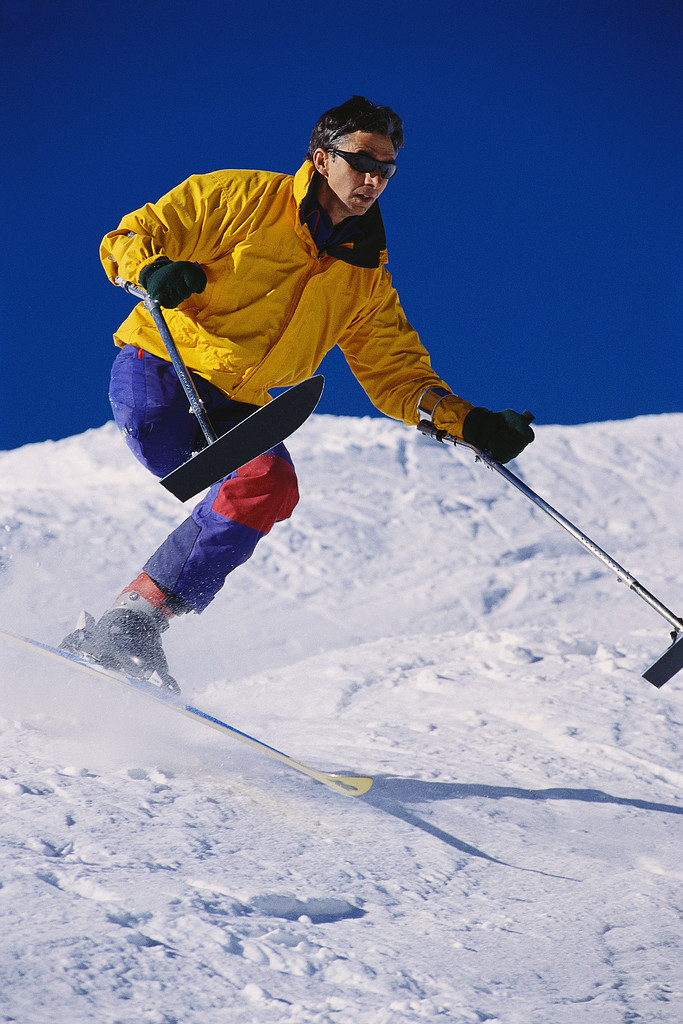
Awareness for sports participation for persons with a disability is definitely on the rise, and there are many centres with adaptive sports programs currently being run across Canada, as well as the United States. Whether it be kayaking, hand cycling, skiing or snowboarding, these programs encourage persons with a disability to discover new abilities and confidence through sports participation and outdoor recreation.

For example, the Whistler Adaptive Sports Program in British Columbia is a not-for-profit society that provides year-around, recreational programs for people of all ages with disabilities. Their participants range from locals to internationals who want to learn and achieve sports participation and even excellence, as well as gain independence, self-motivation and self-confidence.

Just one of many in the USA is very special program called “Higher Ground” which is operated in partnership with the American Department of Defense, major military medical centers and veterans organizations. Located at the Sun Valley Adaptive Sports Centre in Ketchum, Idaho, USA, “Higher Ground” serves men and women of the armed forces who have been severely wounded in Iraq and Afghanistan.

Whether or not sport is your focus, how about just staying active no matter your ability. The Active Living Alliance for Canadians with a Disability (ALACD) promotes Canadians with disabilities to lead active and healthy lives as well. Through their leadership and encouragement, like-minded active living opportunities are supported through their network of over 500,000 contacts.

So, not only are adaptive sport and outdoor recreation programs more available for persons with disabilities, participation is indeed increasing because of it, there is more funding than ever before (with much more needed), more sponsors, and more volunteers currently involved.

It doesn’t matter if a person just wants to go out and have fun in sport, become a Paralympian, or just live an active lifestyle, there is a way for them to get involved, get out there, and be healthy!

Online Resources
Active Living Alliance for Canadians With a Disability (ALACD)
Adaptive Sports Foundation (Canada)
Adaptive Sports Foundation (US)
Canadian Paralympic Committee (CPC)

Contact SIRC for more information on sport for persons with a disability!

Tuesday, May 27, 2014

Coaching - "Invisible" Disabilities

Participation in organized sport activities has been shown to increase self-confidence, social skills and peer acceptance. Young people with "invisible" disabilities (e.g. learning, emotional/behavioural, and speech/language) can often be overlooked because they have no outward physical characteristics that suggest they have diverse learning needs. As a coach, there are many ways to foster an effective and inclusive sport environment so that everyone can have a great team sport experience.

Focus on a player's ability - Discover what your player can do rather than focusing on what he/she can't do. If you are unsure, ask them to tell you their capabilities, skills, interests and goals and then work together to plan challenging and engaging sessions that are geared to the person's needs.

Be ready to adapt - Possible adaptations include changing up your teaching style (more demonstrations, less verbal instruction), rules, equipment and environment (quieter may mean less distractions).

Communicate effectively - When providing directions, gain eye contact with your player(s), keep explanations concise and re-state if necessary. When providing demonstrations, break down specific drills one step at a time and build up slowly.

Set the stage for success - Some athletes with "invisible" disabilities may be aware of their difficulties and be anxious about situations that are unfamiliar, unknown, or perceived as difficult. To lessen anxiety, try providing an overview of the practice activities and the order in which they will occur. Routines also provide structure and predictability which can allow a stressed player to relax and become more engaged.

Promote social acceptance - Sometimes it can be challenging for players with "invisible" disabilities to have positive social interactions with others. A coach can address this by calming insisting that everyone follows the rules, takes turns and in general have players be aware of others. Organized sport can be a great platform for youth to develop social skills without negative consequences like teasing or ridicule; therefore, it's important to be sure to provide positive feedback and lots of support.

Coaches can encourage participation in sport for a person with a hidden disability by taking a pro-active approach, not worrying about making the occasional mistake and reminding themselves that every player just wants to be respected and valued.

References from the SIRC Collection:

1. Abraham A, Collins D. Taking the Next Step: Ways Forward for Coaching Science. Quest. November 2011;63(4):366-384.
2. Beyer R, Flores M, Vargas-Tonsing T. Strategies and Methods for Coaching Athletes with Invisible Disabilities in Youth Sport Activities. Journal Of Youth Sports. June 2009;4(2):10-15.
3. Hassan D, Dowling S, McConkey R, Menke S. The inclusion of people with intellectual disabilities in team sports: lessons from the Youth Unified Sports programme of Special Olympics. Sport In Society. November 2012;15(9):1275-1290.
4. McMaster S, Culver D, Werthner P. Coaches of athletes with a physical disability: a look at their learning experiences. Qualitative Research In Sport, Exercise & Health. July 2012;4(2):226-243.
5. Pine S. Inclusive coaching course opens minds and doors. Sports Coach. 2005;28(2):18-19.
6. Young J. The State of Play: Coaching Persons with Disabilities. Coaching & Sport Science Review. April 2010;50:9-10.

Monday, May 26, 2014

Diversity in Sport

SIRC Newsletter now available online: Diversity in Sport

The Canadian sport community has the opportunity to embrace our uniquely diverse population and actively strive for a multicultural and socially inclusive environment. Proactive sport organizations adopt a broad view of diversity and value it to its fullest extent. Ideally, this means going beyond merely removing barriers to participation but working towards ensuring that all participants are valued and respected.

Read more:  http://www.sirc.ca/newsletters/mid-mar13/index.html